



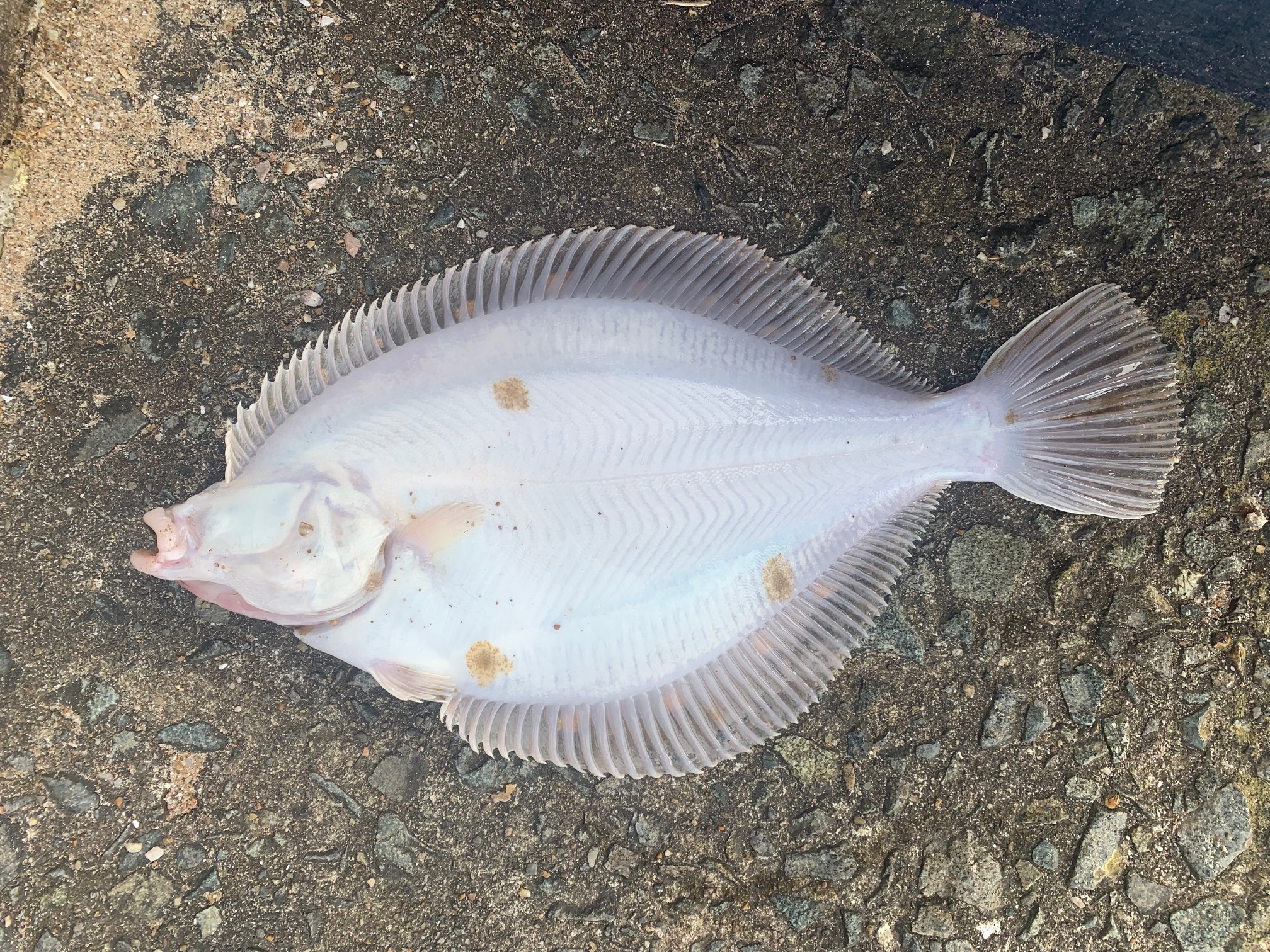
Hooks! Where do you Begin?
It’s a minefield, especially for someone just entering the wonderful world of Sea Fishing.
What type or pattern and size to use depends mainly on target species, bait being used and for conservation but many of us have our own personal favourites.
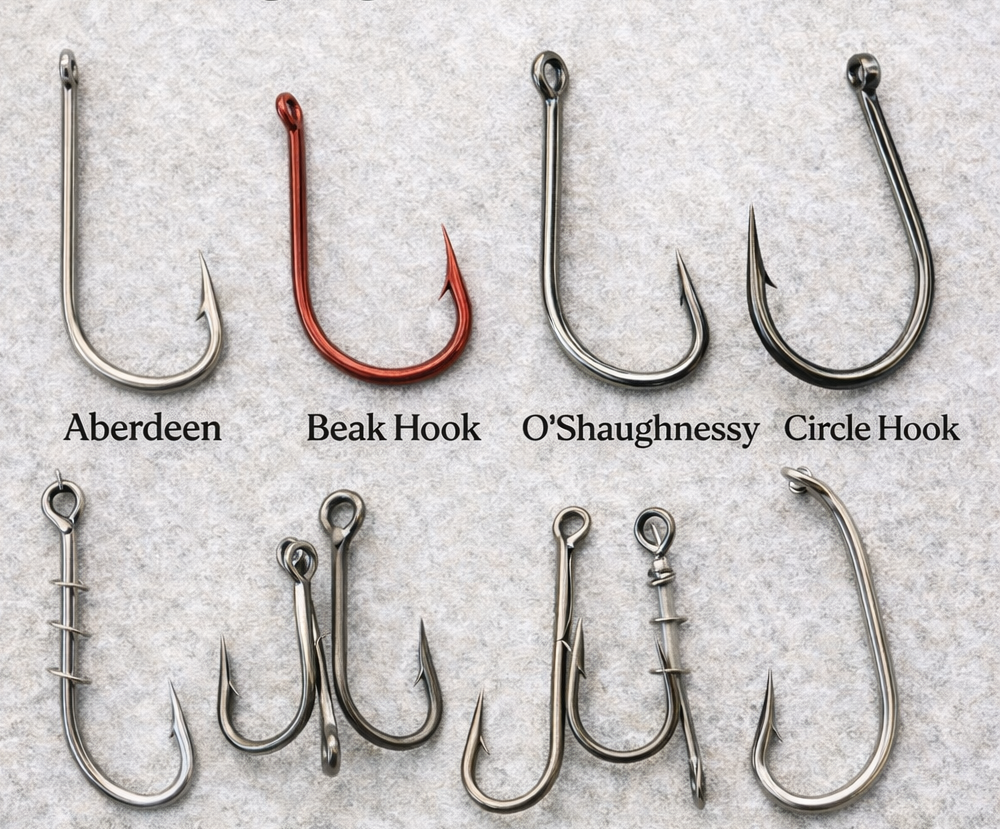
For beginners start off with aberdeen hooks and maybe some circle or chinu hooks in various sizes depending on what species you are hoping to catch.
Talk to other anglers around you and ask for their advice, they are usually willing to share their knowledge (or lack of it in some cases).
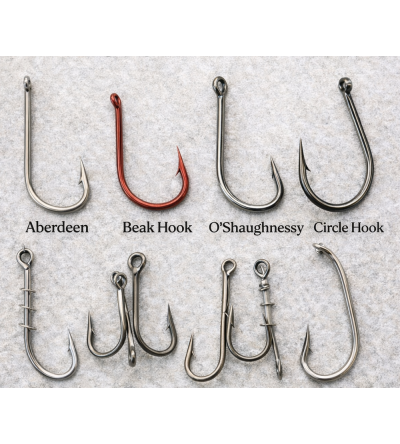
Circle & Semicircle Hooks
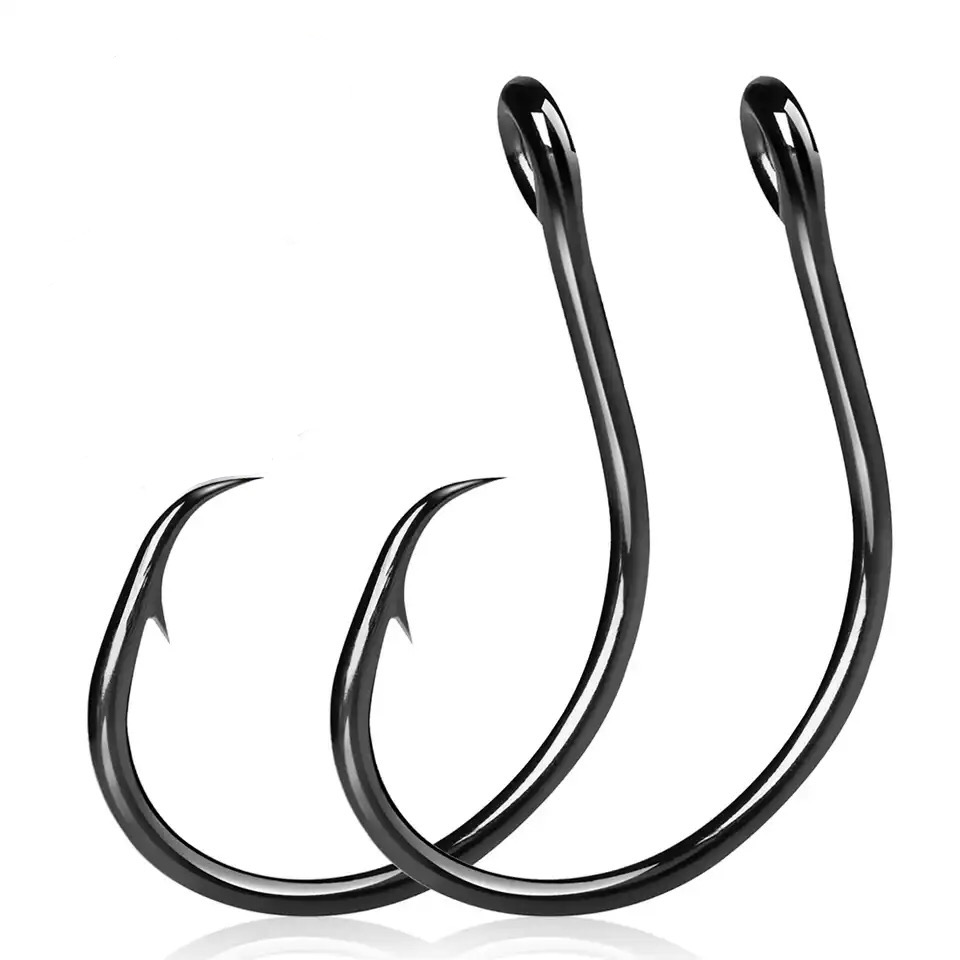
More often chosen for conservation minded individuals.
With the design of these hooks they naturally turn inwards and typically hook fish in the corner of the mouth thereby reducing damage to the fish which can often be fatal.
Wide gape curved shank carp hooks are circle hooks and are great for targetting the small sea fish species.
Ideal for most baits and fish species.
A steady tightening of the line will ensure the hook hold as the fish will normally have hooked itself when trying to get away. Don’t strike as you would with normal hooks as it will probably pull the hook from the fishes mouth.
Available in a large range of sizes, typically #4 to 10/0 although smaller and bigger sizes are sometimes available.
Aberdeen Hooks
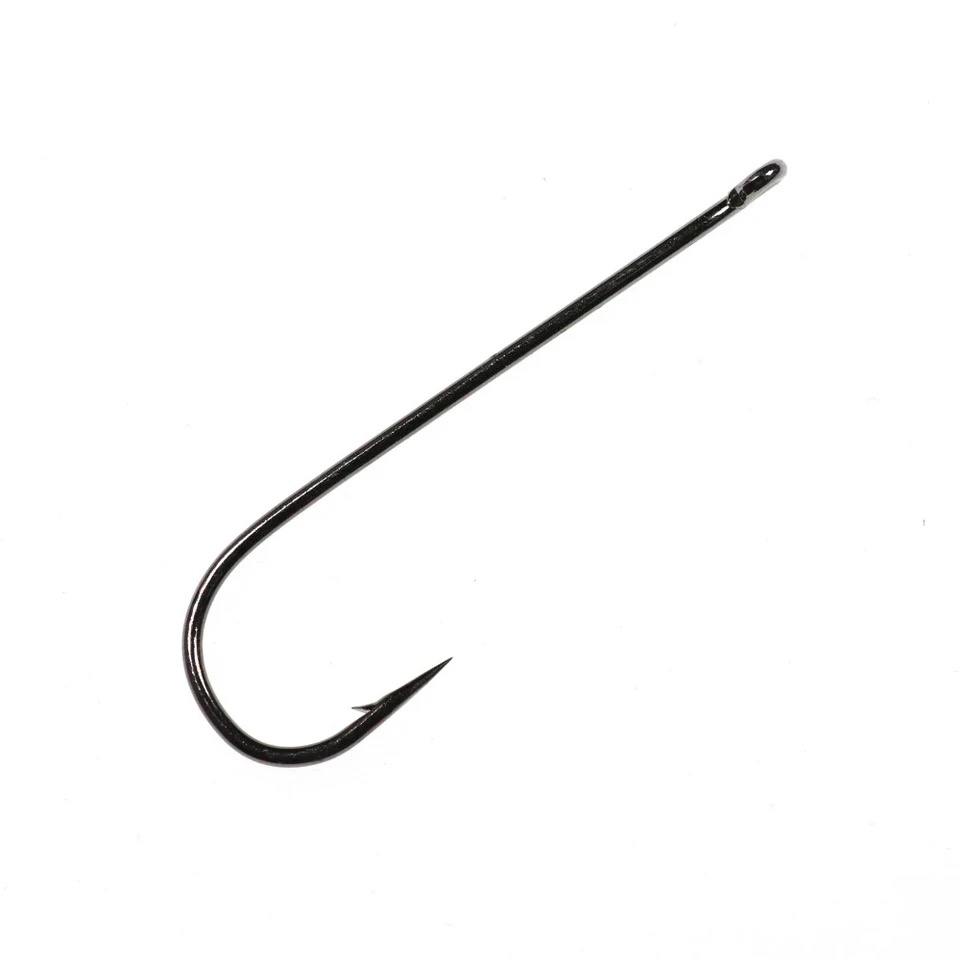
Usually made with a long shank and lighter wire.
These hooks are ideal for fishing with worms and other delicate baits.
Can be used for most species, however because of the lighter wire used, they are not ideal for bigger or hard fighting fish as the hook could straighten.
Ideal for flatfish fishing as the long shank can help with unhooking from their small mouths.
Available in a large range of sizes, typically #4 to 6/0
J-Hooks
A traditional and are an all round shaped hook still use by many anglers especially in situations where other styles of hooks are less effective.
The Aberdeen hook belongs in this category of hook.
Octopus Hooks
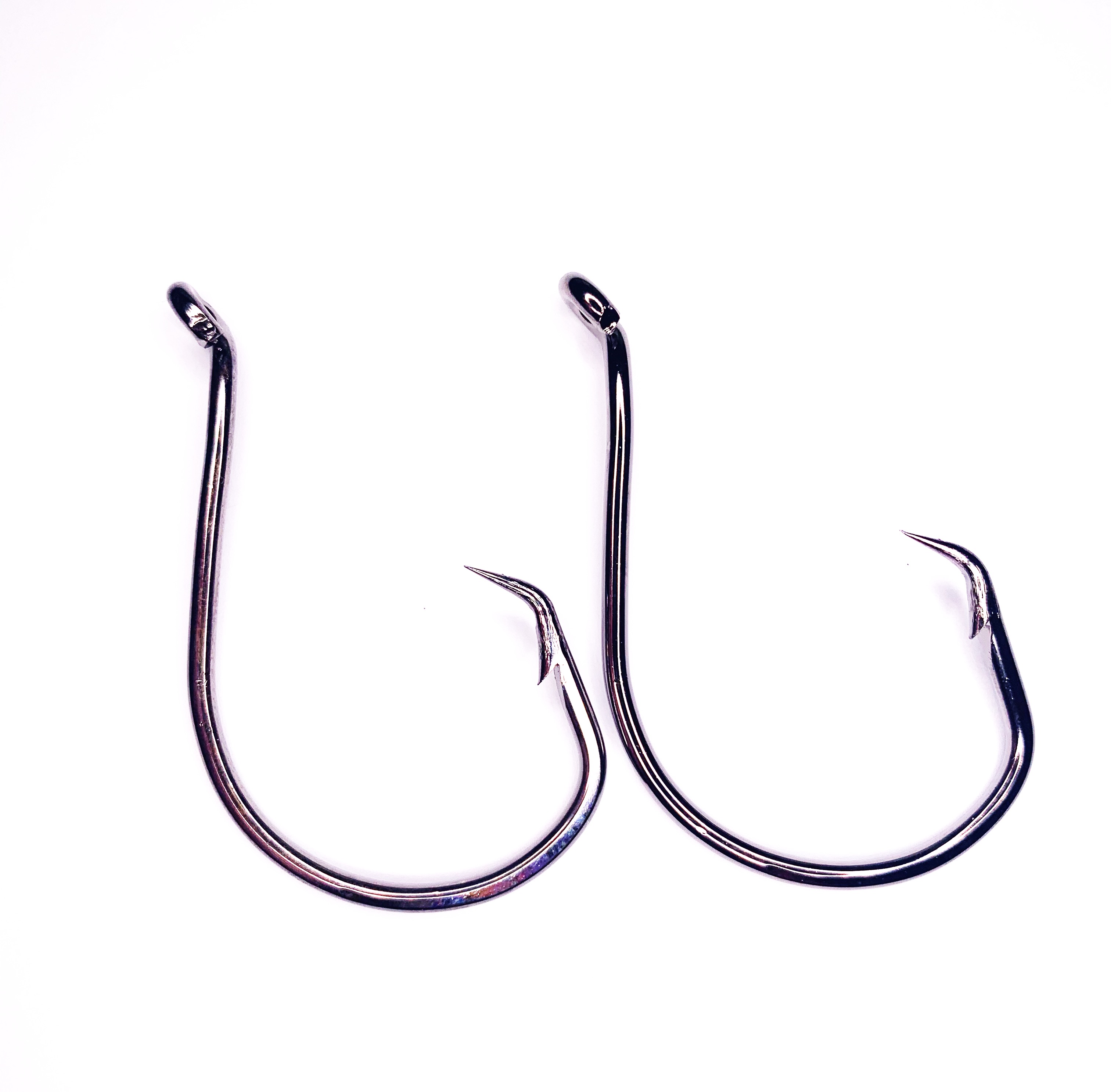
So called because of the beak design.
Usually with an angled eye, beaked point, short shank and wide gape. Sometimes they have an offset hook point.
Ideal for snelling, they provide an excellent and secure hook up.
Applied pressure will usually set the hook without having to strike.
Good for most baits and fish species.
Available in a large range of sizes, typically #4 to 10/0 and bigger.
Chinu Hooks
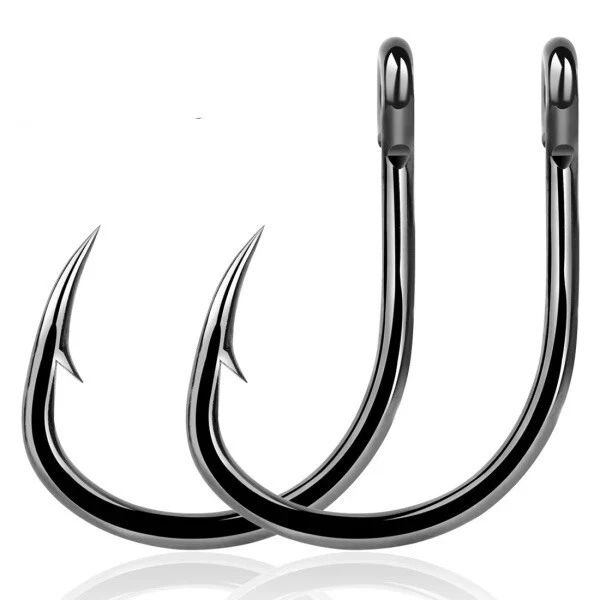
A Japanese hook that was originally designed for catching big Bream.
Made with extra strong wire and they usually have a forged bend for extra strength.
Good for most baits and fish species.
Available in a large range of sizes, typically #4 to 8/0.
Bait holder Hooks
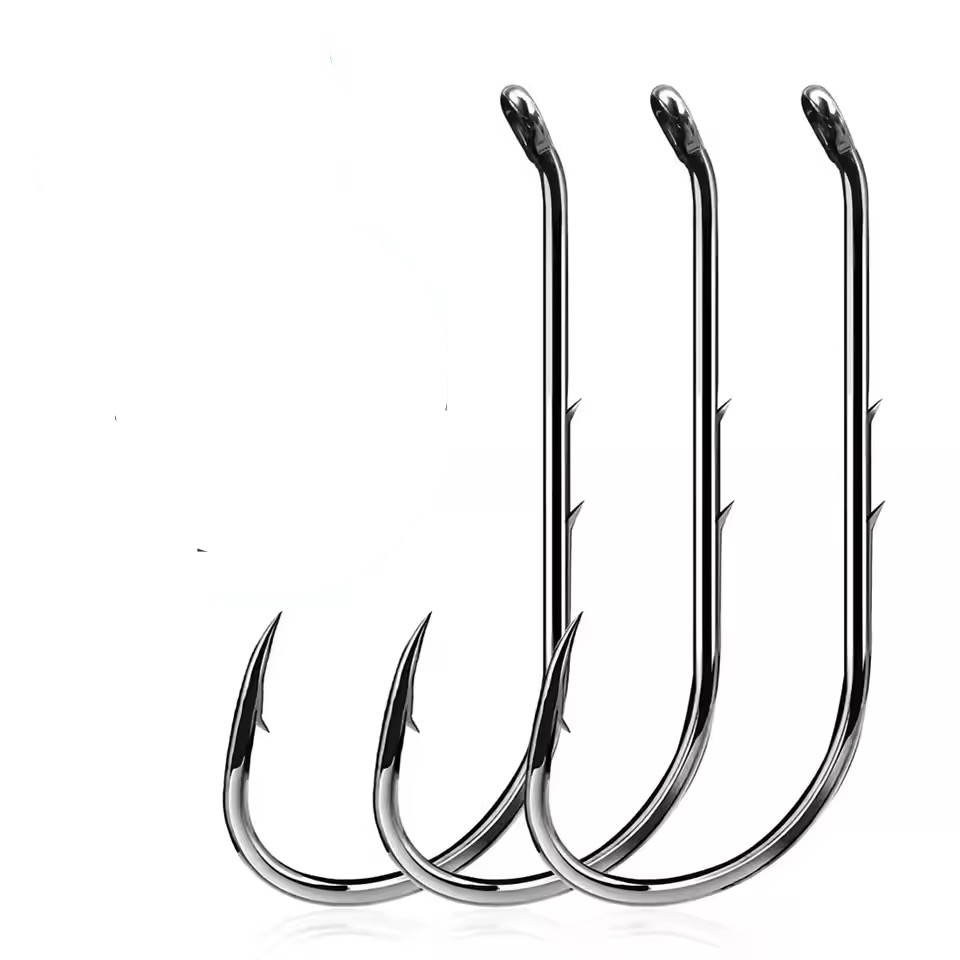
These are hooks that feature barbs on the hook shank to prevent baits from slipping down and obscuring the hook point.
Available with long or short shanks and different styles of hooks.
Ideal for worm and other soft baits.
Suitable for most species.
Available in a large range of sizes, typically #8 to 8/0.
Weedless/Worm hooks
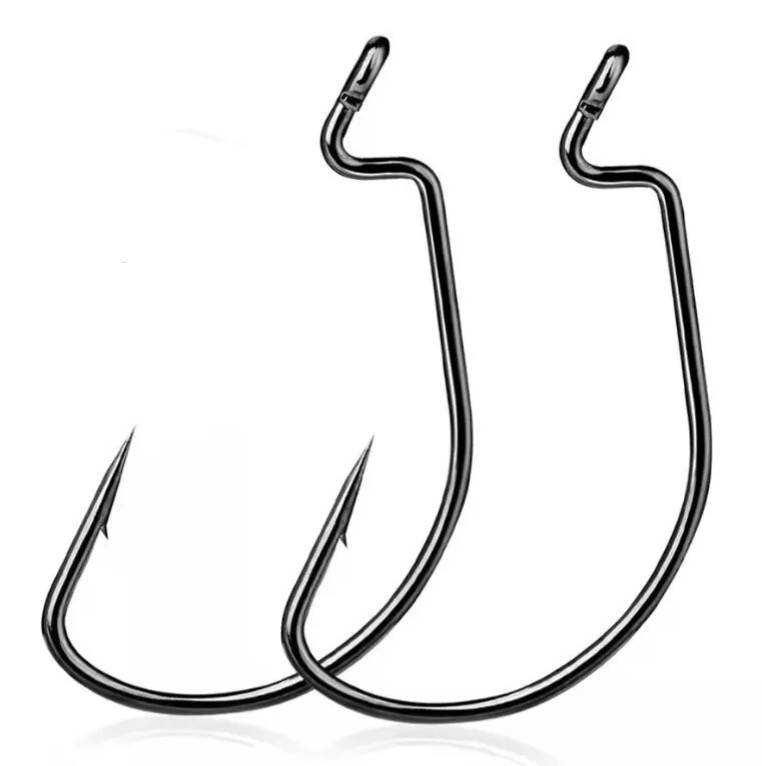
Specialised hooks designed to use with soft plastic/rubber lures in snaggy or weedy conditions.
They have offset shanks and wide gape and can be bought with weighted shanks and weed spring guard.
Available in a large range of sizes, typically 2/0 and larger.
Catfish Hooks
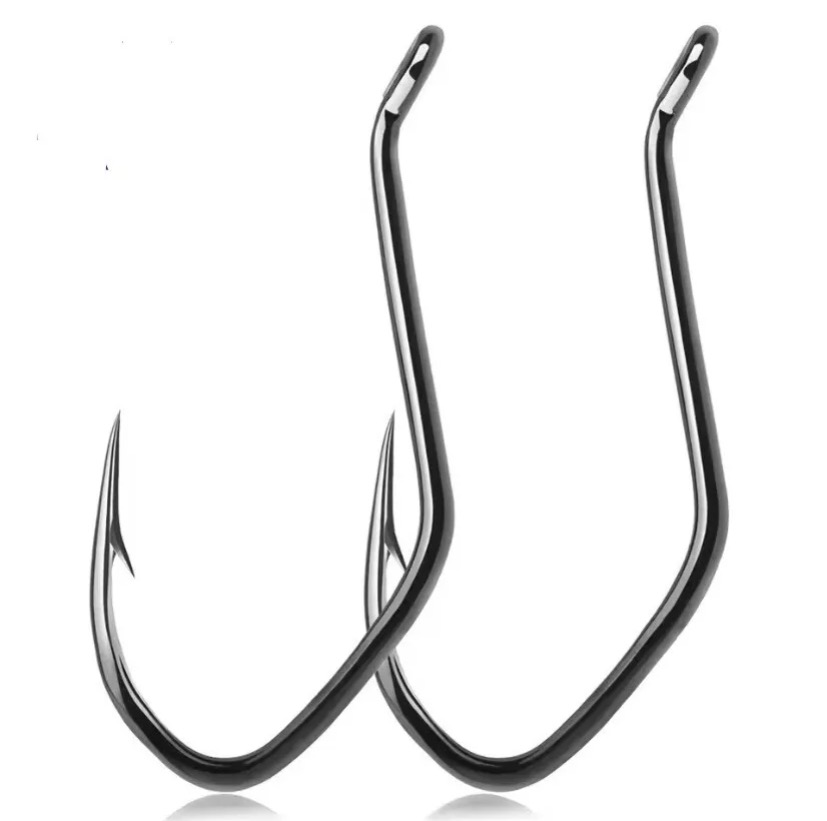
Designed to be exceptionally strong to prevent straightening under duress.
Styles differ but heavy duty circle hooks are common. Another common style is the distinctly shaped ‘V’ or ‘wave’ hook.
Although the name points to being used for catfish, they are suitable for most other hard fighting fish.
Suitable for most big baits especially live bait.
Lure Replacement Hooks
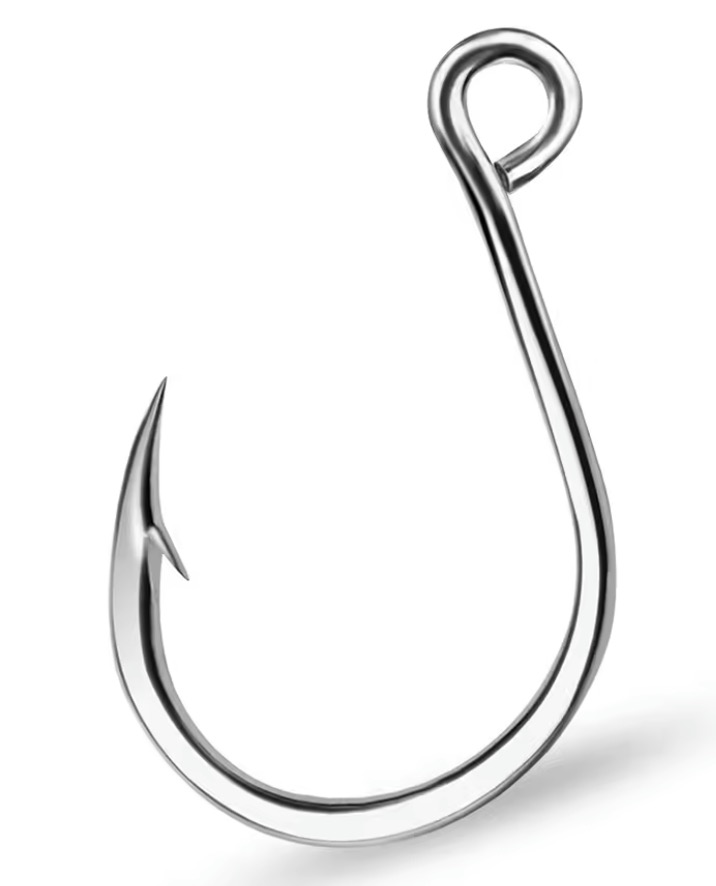
As the name suggests, they are used to replace treble hooks or hooks that are not of good quality.
Usually they are inline and have large eyes and sit perfectly in line with the lure and reduce snagging.
To choose the size the hook should have the same gape as the width of the lure.
Available in a large range of sizes, typically #1 to 8/0.
Assist Hooks
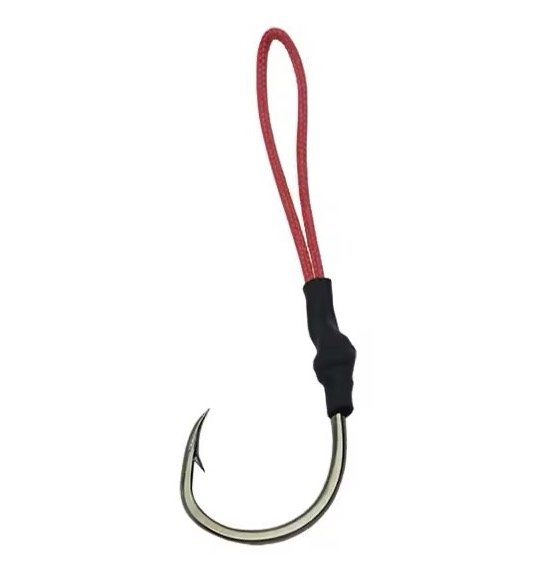
In single or twin hooks attached to thick braided or kevlar line.
They are used for replacing hooks on lures, especially jigging lures.
To choose the size the hook should have the same gape as the width of the lure.
Available in a large range of sizes, typically #1 to 10/0.
Live Bait Hooks
Made with different styles of hooks but circle hooks, wide gape hooks and ‘V’ (wave) hooks are the most common.
Normally made from high carbon steel with added black nickel finish for durability.
Treble Hooks
Used mainly on lures.
Available in a large range of sizes from tiny #14 to very large #10/0
___________________
Hook sizes can be daunting to decipher.
Sizes are identified by number and this applies to sea and coarse fishing.
Numbers on their own - #1 - #22 the higher the number, the smaller the hook.
Numbers with a backslash and 0 (/0) - #1/0 - #20/0 the higher the number, the bigger the hook.
To make things worse when deciding what size hook to use (unless you can physically see the hooks), not all manufacturers use the same hook sizes. Some are larger and some are smaller. However, in general most hook sizes sold in the UK are of a very similar size.