







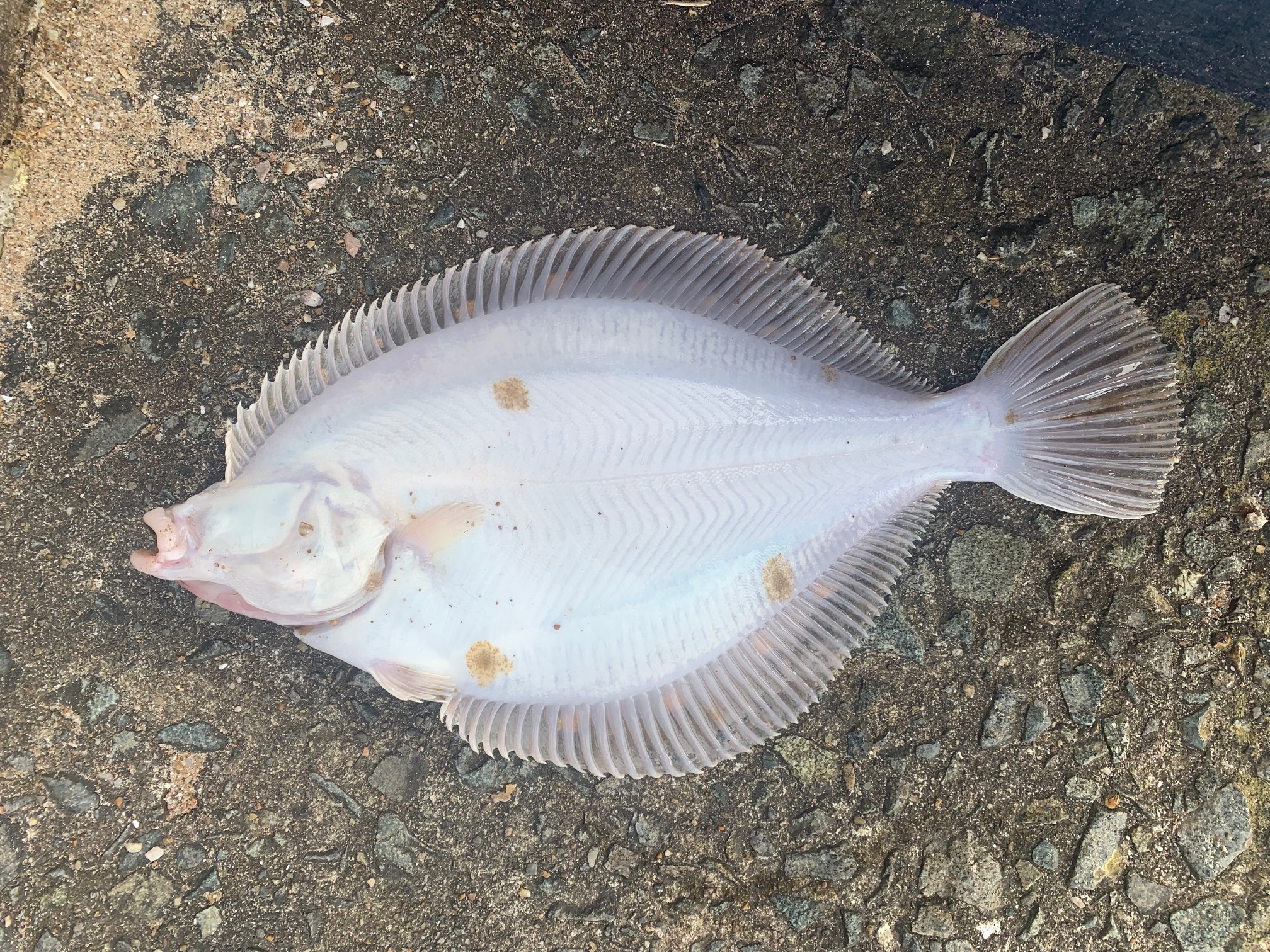
Abnormal Markings on Flatfish Around the UK
Abnormal markings on flatfish such as flounder, plaice, dab and sole are occasionally reported by sea anglers and commercial fishers around the UK coast. These markings can range from unusual pigmentation and dark patches to ulcers, sores, lumps, or deformities. While some are harmless natural variations, others may indicate disease, environmental stress, or pollution exposure.
Understanding what these markings mean is important for anglers, conservationists, and scientists monitoring the health of UK marine ecosystems.
Common Flatfish Species in UK Waters
Several flatfish species are regularly caught around the UK:
- European plaice
- European flounder
- Common dab
- Common sole
Because flatfish live close to the seabed, often partially buried in sediment, they are particularly exposed to pollutants, parasites, and environmental stressors. This makes them useful “indicator species” for monitoring marine health.
Types of Abnormal Markings Observed
1. Pigmentation Abnormalities
_1.jpeg)
.jpeg)
Pigmentation issues include:
-
White or pale patches (hypopigmentation)
-
Darkened areas (hyperpigmentation)
-
Irregular spot patterns
-
Partial albinism
These can be caused by:
-
Genetic variation
-
Developmental issues during larval stages
-
Environmental stress
-
Injury and healing
In many cases, pigmentation abnormalities are not harmful and do not affect the fish’s edibility.
2. Ulcers and Skin Lesions
Ulcers are one of the more concerning abnormalities.
They appear as:
-
Open sores
-
Red or inflamed areas
-
Eroded skin patches
-
Raised lumps that break open
Common causes include:
-
Bacterial infections
-
Fungal infections
-
Parasites
-
Physical injury
-
Exposure to pollutants
In the past, high rates of skin ulcers in dab in the North Sea raised environmental concerns, particularly during the 1980s and 1990s when pollution levels were higher in some industrial estuaries.
3. Tumours and Growths
Occasionally, flatfish may show:
-
Wart-like growths
-
Swellings
-
Nodules beneath the skin
Some tumours in flatfish have been linked to long-term exposure to contaminated sediments, particularly in heavily industrialised estuaries. However, not all growths are cancerous—some are benign cysts or parasitic reactions.
4. Skeletal Deformities
Although less common, deformities can include:
-
Twisted spines
-
Deformed jaws
-
Asymmetrical body shapes
-
Missing or damaged fins
Possible causes:
-
Developmental abnormalities
-
Pollution exposure during early life stages
-
Nutritional deficiencies
-
Genetic mutations
Environmental Factors Linked to Abnormalities
Pollution and Contaminated Sediment
Flatfish spend most of their lives in close contact with seabed sediments, where pollutants accumulate. These may include:
-
Heavy metals
-
Hydrocarbons
-
Industrial chemicals
-
Agricultural runoff
Historically polluted areas such as parts of the Thames Estuary and certain North Sea zones have shown higher rates of lesions in flatfish populations.
However, environmental regulations introduced over recent decades have improved water quality significantly in many areas.
Climate Change and Warming Seas
Rising sea temperatures can:
-
Stress fish immune systems
-
Increase susceptibility to disease
-
Alter parasite distributions
Warmer conditions may allow pathogens to spread more easily.
Parasites
Flatfish commonly host parasites. Many are harmless and part of natural ecosystems, but heavy infestations can cause visible damage or skin irritation.
Common parasite-related signs:
-
Small cysts under skin
-
Localised swelling
-
Mild tissue damage
Parasites are usually not harmful to humans when fish are properly cooked.
Are Abnormal Flatfish Safe to Eat?
This is one of the most common concerns among anglers.
General guidance:
-
Fish with mild pigmentation abnormalities are usually safe.
-
Fish with severe ulcers or obvious disease should not be eaten.
-
If flesh appears normal and smells fresh, it is generally safe.
-
Always follow Food Standards Agency advice.
If a fish shows:
-
Extensive lesions
-
Deep open wounds
-
Strong unpleasant odour
-
Abnormal internal organs
It is best to discard it responsibly and not consume it.
Monitoring and Scientific Surveys
UK marine scientists regularly monitor fish health.
Organisations such as:
-
Marine Management Organisation conduct surveys of fish stocks and record disease prevalence.
Fish disease rates are often used as indicators of environmental quality. In many areas, the prevalence of severe ulcer disease has decreased compared to historic peaks, reflecting improved pollution controls.
Regional Patterns Around the UK
North Sea
The North Sea has historically shown higher rates of dab skin lesions, particularly during periods of heavy industrial pollution. Monitoring continues.
Estuaries
Estuaries can show higher rates of abnormalities because they collect runoff from rivers. However, conditions vary greatly between regions.
West Coast and Atlantic Waters
Generally, lower pollution levels mean fewer reported abnormalities, though isolated cases still occur.
What Anglers Should Do
If you catch a flatfish with abnormal markings:
- Take clear photos.
- Note the location and date.
- Report unusual cases to local fisheries authorities.
- Avoid returning severely diseased fish to enclosed waters.
- Do not consume fish with severe lesions.
Angler observations can provide valuable citizen science data.
Conservation Implications
Flatfish abnormalities are not just an angling curiosity—they are environmental signals.
Because flatfish live on the seabed:
-
They reflect sediment quality.
-
They indicate pollution levels.
-
They help track ecosystem health.
Monitoring their health supports broader marine conservation efforts.
Improving water quality, reducing plastic pollution, and managing fishing pressure all contribute to healthier flatfish populations.
Are Abnormalities Increasing?
Current evidence suggests:
-
Severe ulcer outbreaks seen decades ago have declined in many areas.
-
Pigmentation abnormalities remain rare and usually natural.
-
Localised pollution incidents can still cause spikes in fish disease.
Ongoing monitoring is essential to detect trends early.
Final Thoughts
Abnormal markings on flatfish around the UK range from harmless pigmentation quirks to more serious disease-related lesions. Most cases encountered by anglers are isolated and not cause for alarm. However, flatfish serve as important indicators of marine health because of their close association with seabed sediments.
For sea anglers, awareness is key. By observing, reporting, and supporting marine conservation efforts, anglers contribute to protecting UK coastal waters.
Healthy flatfish populations mean healthier seas—and better fishing for future generations.
Check Out Our Quality Sea Fishing Tackle at Affordable Prices